
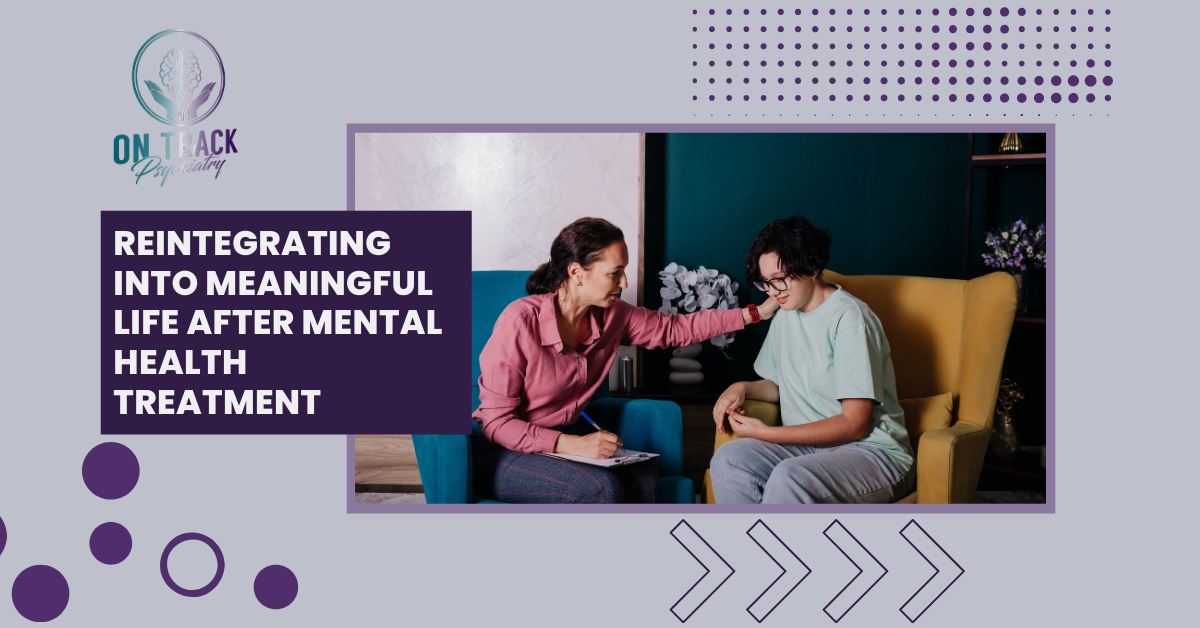
You’ve been through treatment. Now what? The question strikes in a different manner when you are at the threshold of getting back into normal life.
The transition to everyday life after receiving mental health care is not always easy. Some days feel good. Others don’t. That’s just how it goes, and it’s okay.
Starting Where You Are
Treatment gave you tools. Now you get to use them in real life.
Your recovery doesn’t have a finish line. Some moments will test you and others will remind you how far you’ve come. Both are part of the process.
Small Steps Back Into Life
Getting back into things works best when you take it slow:
- Maintain regular sleep patterns
- Pursue meaningful activities
- Connect with trusted individuals
- Apply learned coping techniques
- Schedule routine professional consultations
- Establish achievable personal objectives
There’s no rush. Your timeline is your timeline.
People and Relationships
Mental health struggles can make relationships tricky. Some people might not understand what you went through. Others will surprise you with their support.
You don’t owe anyone your whole story. Share what feels right. Set boundaries that work for you. Good relationships can handle honest conversations about your needs.
Finding new connections helps too:
- Join groups that interest you
- Try activities you used to enjoy
- Meet people who get it
- Build slowly and naturally
Staying on Track
The best part about finishing treatment? You don’t even have to do the rest alone. Having ongoing support makes everything easier.
Getting psychiatric care doesn’t have to feel overwhelming at all.
Your Team at On Track Psychiatry
We know that leaving treatment doesn’t mean you’re done needing support. Our Psychiatric Mental Health Nurse Practitioners have been doing this for years. We’ve seen people at every stage of their journey.
What we do differently is simple. We listen to you. We make plans that fit your actual life. We don’t judge. We just help you figure out what works.
Our team gets that everyone’s path looks different:
- Some people need medication adjustments
- Others want someone to talk through challenges
- Many just need regular check-ins
- All need to feel heard and supported
We’re here for whatever you need as you build your new normal.
Making It Last
Staying mentally healthy after treatment means having a plan:
- Keep seeing your mental health provider
- Stick to routines that help you
- Find ways to handle stress
- Take care of your body, too
- Stay close to people who support you
Think of it as maintenance.
When you catch small changes early through regular check-ins, they don’t turn into bigger problems.
The Road Ahead
Coming back to regular life after mental health treatment takes guts. You’re not doing it perfectly; nobody does. You’re just doing it, and that’s what’s important.
There are days that will be difficult compared to others. It does not mean that you are moving backward. It means you’re human.
Next Steps
You’ve already done the hardest part by getting treatment. Now you get to use everything you learned to build a life that feels good to live.
At On Track Psychiatry, we believe in sticking with you beyond treatment. Our experienced team knows that real recovery happens in everyday moments, not just therapy sessions.
Contact On Track Psychiatry today. Let’s figure out how to make your mental wellness part of your daily life, not just something you work on.
FAQs
What is the length of time taken to regain normalcy?
There’s not really a standard timeline. There are those who adapt in a span of weeks, others in months. Go at your own speed.
What if I have bad days?
Bad days happen to everyone but they don’t erase your progress. Use your tools and reach out when you need help.
Should one still receive professional help?
The majority of individuals find it easier to have continuous assistance, although it may not be that common.
Regular check-ins help maintain your progress.