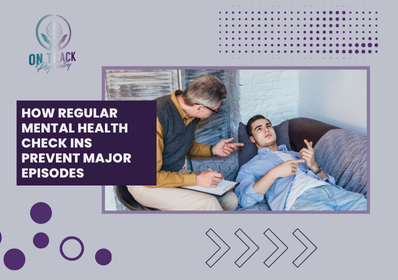
The best time to work on your mental health is when you’re not falling apart.
Regular check-ins with a mental health professional can catch those little changes before they snowball into something bigger.
What Actually Happens During a Check-In
People sometimes worry these appointments will be awkward or intense. They’re really not. You might:
- Talk about how work has been feeling
- Mention if your sleep has changed
- Share what’s been stressing you out lately
- Discuss what’s been going well
- Ask questions about things you’ve noticed
People sometimes worry these appointments will be awkward or intense. They’re really not. For older adults’ mental health, these regular check-ins help spot subtle changes in mood, sleep, or energy early. Your provider might ask about your mood, energy levels, or how you’ve been handling daily stuff.
Related: What It’s Like to Get Psychiatric Care
Signs You Might Need to Visit More Frequently
Some life situations call for more regular check-ins:
- Starting a new job or major life change
- Family stress
- Relationship issues
- Seasonal changes that affect your mood
- Medication adjustments
- Building new coping strategies
- Recovery from a very difficult period
These are just times when you need a little more support.
Related: Getting Diagnosed When You Have Multiple Mental Health Issues
Why This Makes Sense
Your mind doesn’t just flip a switch from fine to not fine. Usually there are hints:
- Your sleep gets wonky
- You feel cranky more often
- You start avoiding people or activities
- Work feels like too much
- Little things just bug you more
When someone sees you regularly, they pick up on these changes. They know your normal.
Knowing What Really Works for You
How often depends on your life:
- Every couple of weeks, if you’re going through stuff or managing something ongoing.
- Monthly works best for a majority of people with anxiety, depression, or anything to be addressed.
- Once every couple of months may be sufficient when you are doing well and just desire to remain the same.
Just keep it consistent!
The On Track Psychiatry Team
On Track Psychiatry has board-certified nurse practitioners. They help people with:
- Depression
- Anxiety
- Mood swings and bipolar disorder
- ADHD and focus problems
- Trauma and PTSD
- Sleep issues and stress
What works with you may be the complete opposite of what works with another person.
Making It Part of Your Life
Check-ins work better when you’re doing other things to take care of yourself too. Your person might suggest:
- Paying attention to patterns
- Finding better ways to handle stress
- Building routines that really help
- Little changes that make life easier
Get Support
Instead of waiting for things to get rough, you can stay ahead of them. On Track Psychiatry makes it easy to start regular check-ins that actually fit into your life.
Reach out to On Track Psychiatry today to schedule your first visit and see how staying connected can help keep you balanced.
FAQs
How do I really know if I need this?
If mental health stuff has been hard before, or if life feels like a lot sometimes, it helps.
But what if I’m doing okay?
That’s honestly the perfect time to start. Way easier to stay okay than get back to okay.
Will my insurance actually pay for this?
Most insurance covers mental health visits. OnTrack can walk you through what your plan covers.
Why are mental health check-ins important?
They catch small changes before they become big problems. It’s like regular maintenance for your mind.
How to prevent mental health issues?
- Mental health check-ins
- Good sleep habits
- Staying connected
- Managing your stress
How effective are mental health screenings?
Pretty effective when done regularly. They help spot patterns and warning signs you might miss on your own.
How does mental health affect your everyday life?
It touches everything! Your energy, relationships, work performance, sleep, and how you handle daily stress.