
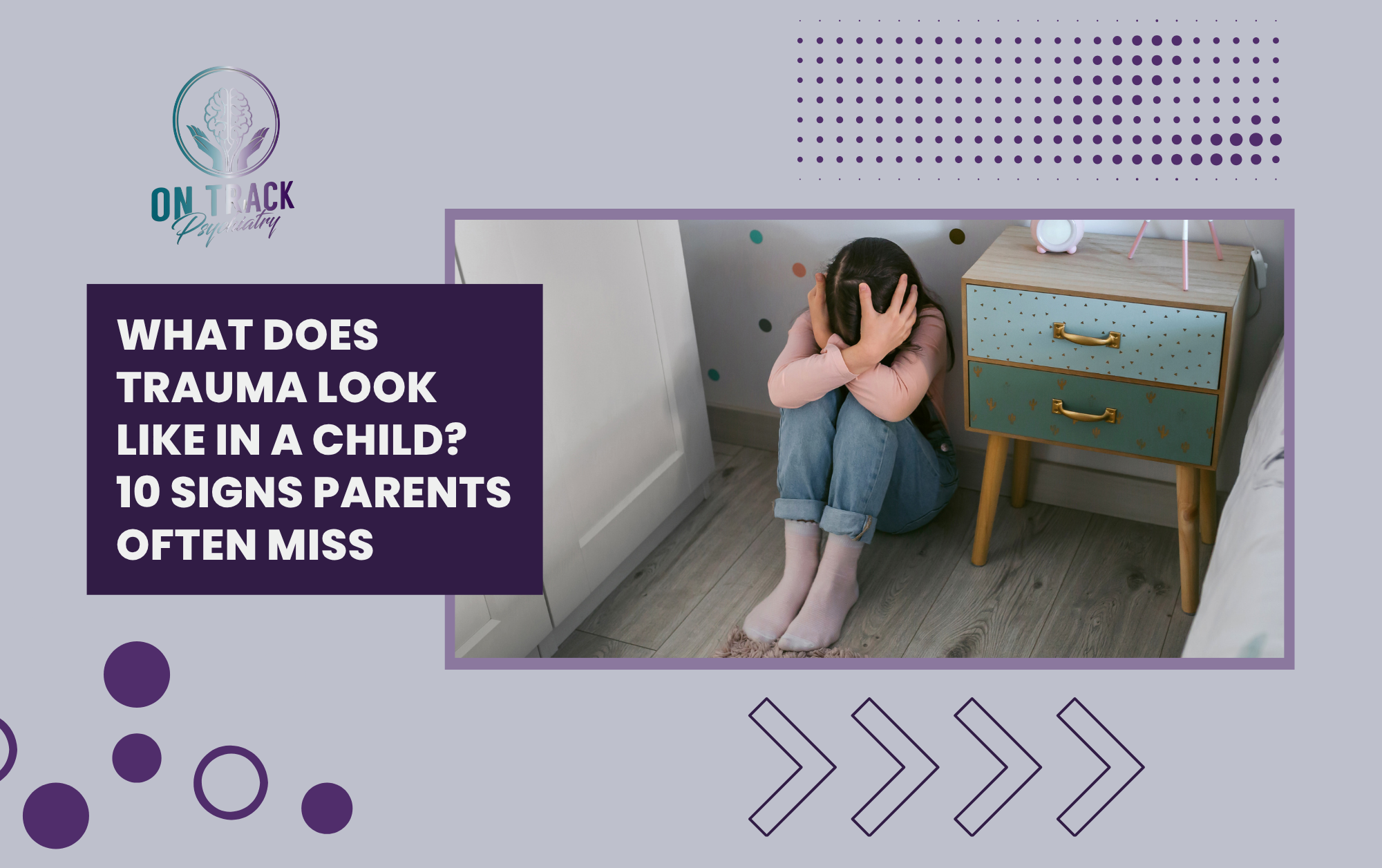
Trauma may cause the child to be frightened, depressed, and perplexed. The signs are not difficult to notice sometimes. On other occasions, they are tiny and mute. You, as parents, would like your child to be safe. There are 10 signs that parents tend to overlook.
1. Big Changes in Sleep
A child who had normal sleep may wake a lot. Or they may not want to sleep at all. They may have bad dreams. Sleep problems can be a sign that something is wrong.
2. Sudden Anger or Tantrums
If your child is more angry than before, watch closely. Small things may make them explode. This can be a sign of worry or fear inside.
3. New Fears
Your child may start to fear places or people they used to like. They may not want to go to school or to a friend’s house. New fears can mean the child felt scared by something.
4. Trouble With School
A child may have trouble paying attention. Grades may fall. They may say school is boring or say they feel sick every day. This can hide deep worry.
5. Too Quiet or Too Clingy
Some children pull away and become quiet. Others hold on tight to a parent. Both can be signs of trauma. A quiet child may feel alone. A clingy child may fear being left.
6. Changes in Play
Play often shows how a child feels. A child might repeat scary play. Or play may stop. Watch how your child plays to see how they feel.
7. Regressive Behavior
A child may act younger than their age. They may wet the bed again. Or they may want a bottle or pacifier. These are ways a child asks for comfort.
8. Changes in Eating
A child may eat a lot or not eat much. Meals can become a struggle. Eating changes can mean the child is stressed inside.
9. Physical Complaints With No Clear Cause
A child may say their tummy hurts or they have headaches. The doctor may not find a reason. These aches can be the body’s way of showing stress.
10. Too Much Worry or Sadness
If your child looks sad a lot or worries all the time, notice it. They may cry more. They may not smile like before. This can be a sign of deep hurt.
What Parents Can Do Right Now
- Talk with calm words. Say, “I am here.”
- Let your child say how they feel. Listen more than talk.
- Keep routines. Bedtime and meals help a child feel safe.
- Offer hugs and warm touch if your child likes them.
- Keep school and caretakers informed. Tell them what you see.
If your child is in danger now, call local emergency services right away.
How We Help at On Track Psychiatry
We are On Track Psychiatry. We help children and families who face hard times. Our team gives kind and careful care. We do many things that can help your child heal.
We offer:
- Comprehensive Psychiatric Evaluations to learn what is going on.
- Trauma and Stress Management to help your child feel safer.
- Anxiety and Depression Management for worries and sadness.
- ADHD Support and Treatment if focus is a problem.
- Support for substance use, bipolar, and other needs when families need it.
Our Board-certified Psychiatric Mental Health Nurse Practitioners, Tondalaya Sanford and Michelle Arshinkoff, work with families in a caring way. We listen first. Then we make a plan with you. We help set small steps so your child can feel better.
When to Get Professional Help
Call us or another trusted doctor if:
- Your child talks about hurting themselves.
- They stop doing things they loved.
- They cannot sleep or eat for many weeks.
- Home life feels out of control.
A professional can do an evaluation and make a clear plan. Treatment can include talking therapy, family support, and medication when needed. We explain everything in simple words so parents understand.
How Therapy Can Help
Therapy gives your child tools to feel safe again. A therapist can:
- Teach ways to calm down.
- Help your child talk about scary things slowly.
- Help parents learn how to support and protect their child.
Therapy is not a quick fix. It takes time. Small steps add up. We walk with you and your child every step of the way.
Conclusion
Trauma can hide in small signs. You know your child best. Trust your feelings. If you worry, reach out. You do not have to do this alone.
At On Track Psychiatry, we are here to help. We provide kind care and a safe place for your child and your family. If you want to talk or learn more, please contact us. Together we can help your child find their path back to joy and safety.
FAQs
Q. Can my child get better?
Yes. With love and help from adults and doctors, many children feel better.
Q. How do I get help right away?
If your child is in danger, call emergency services now. To talk with us, contact On Track Psychiatry and we will help you find the next step.